You can spend a lot of money on seed that birds simply kick onto the ground. This guide sticks to what two trustworthy sources say: Cornell Lab of Ornithology's quick guide to seed types and Project FeederWatch's food types page. We do not name seed brands or list prices; we have not tested any.
By bird: what to offer and where
| Bird | Foods that work | Note |
|---|---|---|
| Northern Cardinal | Black-oil sunflower, safflower, white millet, cracked corn | Cornell: cardinals and grosbeaks tend to prefer tray and hopper feeders |
| Chickadees, titmice, nuthatches | Black-oil sunflower, peanuts or peanut hearts, suet, mealworms | Smaller birds do better with shelled peanuts (FeederWatch) |
| American Goldfinch, Pine Siskin, redpolls | Nyjer (thistle) | Needs a feeder with very small ports, or a mesh "sock" |
| Woodpeckers | Suet, peanuts, sometimes black-oil sunflower | Suet is a good choice for insect-eating birds |
| Blue Jays | Peanuts in the shell, sunflower, cracked corn | Jays may grab several peanuts and cache them |
| Juncos and native sparrows | White proso millet, cracked corn, sunflower | Scatter on the ground or use a low tray |
| Mourning Doves and quail | White millet, cracked corn, safflower, oats | Ground-feeders; keep amounts small and dry |
| Eastern Bluebird | Mealworms; fruit | FeederWatch: mealworms are one of the only foods that reliably attract bluebirds |
| Orioles | Halved oranges; dilute nectar (1 part sugar to 6 parts water) | Per Project FeederWatch |
| Hummingbirds | Nectar: 1 part sugar to 4 parts water, cooled | No red dye; change often |
Pairings combine Cornell's seed guide and feeder guide with Project FeederWatch's food pages; preferences vary by region and by what else is available nearby.
The seed-by-seed rundown
| Food | What it is | Who eats it | Watch out for |
|---|---|---|---|
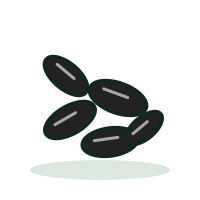 Black-oil sunflower | Cornell: the seed that attracts the widest variety of birds; thin shell, high fat. FeederWatch: the most common seed offered in North America. | Cardinals, chickadees, finches, sparrows; woodpeckers on occasion | Squirrels love it. Works in tubes, trays, hoppers and window feeders. |
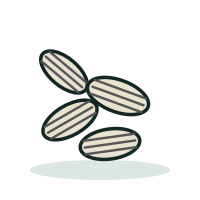 Striped sunflower | Thicker shell, harder for House Sparrows and blackbirds to crack. | Same seed-eaters, minus some unwanted guests | Cornell: try switching to striped sunflower before anything else if you are overrun by species you would rather not subsidize. |
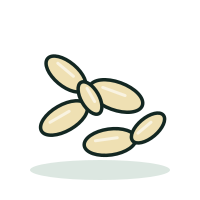 Hulled sunflower (hearts, chips) | No shells, so less mess under the feeder. | Anything that eats sunflower | Spoils quickly and can harbor dangerous bacteria. Offer only a day or two of seed, and not in tube feeders where moisture collects. |
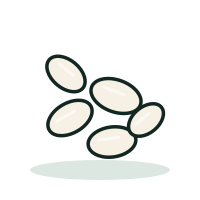 Safflower | Thick shell; resembles a white sunflower seed. | Cardinals especially; some grosbeaks, chickadees, doves, native sparrows | FeederWatch says most birds still prefer sunflower. Cornell says squirrels and House Sparrows may not like it, but some areas have developed a taste for it. |
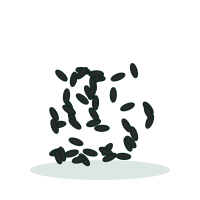 Nyjer (thistle) | Tiny, oily seed; not related to North American thistle. Heat-treated before import. | American and Lesser Goldfinch, Indigo Bunting, Pine Siskin, Common Redpoll | Feed it on its own, not in a mix, in a feeder with small ports. Empty shells under the feeder are normal. |
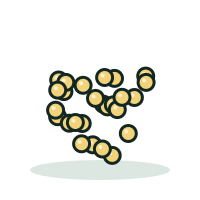 White proso millet | Small round grain. | Quail, native sparrows, doves, towhees, juncos, cardinals | Also a favorite of cowbirds, blackbirds and House Sparrows. Cornell: skip millet if those are a problem. |
 Cracked corn | Inexpensive grain. | Doves, quail, sparrows, jays, cardinals | Cornell: the bird food most likely to be contaminated with aflatoxins. Keep it dry, never offer it in tubes, and rake up old corn. |
 Peanuts | Legumes, not true nuts. Raw or roasted are fine; no salt or coatings. | Jays, chickadees, titmice, nuthatches, woodpeckers | Cornell: also likely to harbor aflatoxins, so keep dry and use up fairly quickly. Squirrels love them. |
 Milo (sorghum) | Reddish round grain. | Western ground-feeders such as Steller's Jay, Curve-billed Thrasher, Gambel's Quail (in Cornell tests) | FeederWatch: most birds in the east ignore it, so avoid mixes heavy with milo there. |
 Suet | High-energy fat; cakes or rendered suet. | Woodpeckers, nuthatches, chickadees, titmice, starlings, jays | Cornell: stays hard to about 90°F (32°C); stop offering it in hot months. Raw suet turns rancid quickly above freezing. |
Start here: black-oil sunflower
Cornell calls sunflower the mainstay for most backyard feeders. Black-oil seeds have very thin shells that virtually all seed-eating birds can crack, and the kernels are high in fat, which Cornell says is extremely valuable for most winter birds. You can offer it in the shell in trays, tubes, hoppers and acrylic window feeders. See our beginner feeder guide for which feeder to put it in.
Watch out for: squirrels. Cornell says some baffles and specialized feeders are fairly good at excluding them, but if you do not want to feed squirrels, plan for that before you buy a big bag.
Read the label on mixes
Cornell is blunt: mixtures containing red millet, oats and other "fillers" are not attractive to most birds and lead to a lot of waste as birds sort through them. Golden millet, red millet and flax are often used as fillers, and wasted seed becomes a breeding ground for bacteria and fungus. If a mix has a lot of small red seeds, make sure they are milo or sorghum, not red millet. FeederWatch adds that milo is often a major component of inexpensive mixes but is not a favorite of most birds.
The easy fix: buy single-ingredient seed (black-oil sunflower, nyjer, safflower) and mix your own.
Safety rules worth memorizing
- Aflatoxin. Cornell says corn is the bird food most likely to be contaminated with aflatoxins, and that peanuts have a high likelihood too. Never buy corn in plastic bags, never let it get wet, and offer only what birds can finish in a day during rainy or humid weather.
- Never offer red-dyed corn. Cornell: corn intended for planting is often treated with fungicides and marked with red dye, and is highly toxic to humans, livestock and all birds.
- No salted or flavored peanuts, no popcorn. FeederWatch says to avoid salted or coated peanuts. Cornell says never offer buttered or microwave popcorn.
- Shelled sunflower spoils fast. Offer no more than a day or two of hearts or chips at a time.
- Moldy food is dangerous. Throw out moldy fruit, peanut hearts or seed immediately. Clean feeders about every two weeks (see our feeder guide).
Beyond seed: fruit, mealworms and nectar
- Fruit: FeederWatch says halved oranges attract orioles, and grapes and raisins (no preservatives) appeal to mockingbirds, catbirds, bluebirds, robins and waxwings.
- Mealworms: a high-protein treat for chickadees, titmice, wrens and nuthatches, and as FeederWatch puts it, one of the only foods that reliably attract bluebirds. Offer on a flat tray or in a mealworm feeder.
- Nectar: 1 part sugar to 4 parts boiling water for hummingbirds (about 1 to 6 for orioles), cooled before use. FeederWatch says no red food coloring; red parts on the feeder or a red ribbon do the job. See the Smithsonian's nectar page too.
- Water: FeederWatch notes birds are attracted to water as much as to feeders; change it every day.
A simple shopping list
- Black-oil sunflower in the shell (your base).
- Nyjer in a separate small feeder, if you want goldfinches.
- Safflower if cardinals are around and you want a seed squirrels may be less keen on.
- Suet in cool months; peanuts in a tray or window feeder as a treat.
- Nothing labeled "wild bird mix" until you have read the ingredients.
Want a camera on the feeder to see who actually shows up? Read our smart bird feeder comparison. Identify your visitors with Merlin or another app.
Sources, all checked October 25, 2026 (America/New_York): Cornell: types of bird seed; Cornell: choosing a feeder; Project FeederWatch: food types; Smithsonian's National Zoo: nectar.